Collagen-Friendly Foods to Add to Your Menu
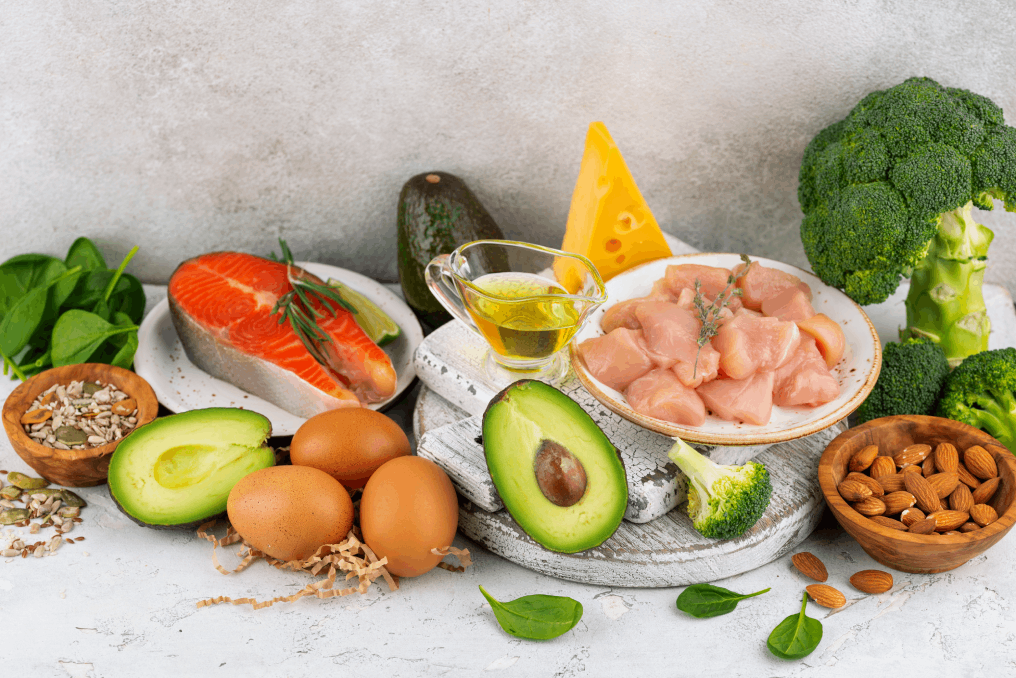
If you want stronger hair, smoother skin, and more comfortable joints, what you put on your plate matters more than any serum. By choosing specific foods, you can support your body's own collagen-making process instead of relying only on supplements. From bone broth and skin-on chicken to vitamin C–packed produce and mineral-rich nuts, you've got plenty of options—but knowing how to combine them is where it really gets interesting…
Key Takeaways
- Add bone broth soups or stews made from beef, chicken, or fish bones to boost type I collagen for skin, hair, and joint support.
- Include skin-on poultry, sardines with bones and skin, and gelatin-based dishes for readily usable animal collagen peptides.
- Eat eggs, Greek yogurt, and beans regularly to supply amino acids like proline and lysine essential for building new collagen fibers.
- Prioritize vitamin C–rich fruits and vegetables—such as oranges, strawberries, guava, broccoli, kale, and bell peppers—to drive collagen synthesis and protect existing fibers.
- Snack on cashews, mixed nuts, and seeds for zinc and copper, minerals that help form and maintain a strong collagen matrix.
Animal Collagen vs. Plant-Based Collagen Support
Animal collagen and plant-based collagen support both aim to maintain the health of skin, joints, and connective tissues, but they function through different mechanisms.
Animal collagen, sourced from fish, chicken, or cows, provides pre-formed peptides that the body can readily absorb and utilize.
Research indicates that these peptides are associated with improved wound healing, joint comfort, and skin firmness.
On the other hand, plant-based collagen support doesn't supply collagen directly, as plants don't contain collagen.
Instead, it involves the intake of nutrients such as vitamin C, vitamin E, and amino acids found in citrus fruits, legumes, and nuts.
These nutrients contribute to the body's ability to synthesize collagen and protect existing collagen fibers from environmental damage.
Both approaches offer distinct pathways for supporting collagen-related health, with animal collagen providing direct peptides and plant-based support enhancing the body's natural collagen production processes.
Bone Broth and Other Collagen-Rich Soups
Bone broth soups are a source of collagen and other nutrients that may support joint health.
The benefits of these soups are largely dependent on their preparation method.
Simmering beef, chicken, or fish bones over an extended period, typically 24 to 48 hours, allows for the extraction of collagen, glucosamine, chondroitin, and amino acids into the broth.
Type I collagen, present in the broth, is associated with supporting skin, hair, and nails.
However, a 2019 study indicates that standard servings mightn't provide sufficient collagen to yield significant effects, and the nutrient content can vary greatly.
To minimize exposure to pesticide and antibiotic residues, it's advisable to use organic bones.
Enhancing soups with vegetables, herbs, and spices can contribute to a more nutrient-rich profile.
Collagen-Infused Drinks and Gelatin Treats
Collagen-infused drinks and gelatin treats provide an accessible method for incorporating collagen-supporting nutrients into one's diet, particularly for individuals who prefer consuming beverages or snacks over supplements in pill form. This can include options like a bird nest collagen drink, collagen fruit jellies, ready-to-mix collagen powders, and fortified probiotic yogurts.
When hydrolyzed collagen is added to beverages such as lattes or smoothies, it delivers small collagen peptides derived from sources like chicken, beef, or fish.
These peptides are generally easy for the body to digest and absorb.
Consumption of such beverages, whether from commercial coffee shops or homemade using collagen powder, is associated with supporting collagen production and may contribute to improved joint comfort.
Gelatin gummies offer partially hydrolyzed collagen, although the presence of added sugars can be a limiting factor in their consumption.
It's important to note that vegetarian "gelatin" candies are designed to replicate the texture of traditional gelatin but don't fully replicate its collagen content.
Skin-On Chicken and Poultry Cuts
Consuming skin-on chicken and other poultry cuts can offer benefits similar to using bones for collagen-rich broths.
Thighs are generally more favorable than breasts for collagen content due to their higher amounts of connective tissue, often accompanied by bits of bone and cartilage.
This composition provides structural proteins that contribute to maintaining skin firmness.
A 2022 animal study found an association between chicken bone and cartilage consumption and reduced inflammation, which can indirectly support collagen health.
Grinding skin-on thighs or breasts allows for a combination of collagen-rich skin and meat, supplying the body with essential components to potentially aid in smoothing fine lines, wrinkles, and improving skin elasticity.
Fish, Sardines, and Marine Sources
Fish, particularly those with silvery skin like sardines, are notable sources of marine-derived collagen.
Consuming sardines whole can provide an effective means of obtaining collagen, as marine collagen is known for its high bioavailability, which means the body can absorb and utilize it efficiently.
This is particularly beneficial for maintaining skin elasticity.
Cooking fish with the skin intact helps preserve one of the richest collagen layers.
Additionally, whole sardines contain bones, ligaments, and small scales, all of which contribute structural proteins.
Preparing fish heads or frames by simmering them can produce a concentrated bone broth, offering collagen as well as additional protein from the fish meat.
This method provides a practical way to incorporate collagen and protein into one's diet.
Eggs, Beans, and Other Protein All-Stars
Proteins such as eggs, beans, chicken, fish, and cashews provide essential components for collagen synthesis in the body.
Egg whites contain proline, an amino acid crucial for the formation of new collagen fibers.
Beans supply lysine and copper, both vital for the construction and stabilization of the protein matrix.
Consuming chicken thighs or meat with bones can increase intake of collagen-rich connective tissue.
Fish with skin or small bones contributes marine collagen, which is highly absorbable.
Cashews offer zinc and additional copper, supporting efficient collagen production.
Vitamin C Powerhouses: Citrus, Berries, and Tropical Fruit
Protein-rich foods provide essential amino acids that serve as the building blocks of collagen.
In addition, vitamin C-rich fruits are crucial in facilitating and enhancing collagen production. Citrus fruits such as oranges, lemons, and limes are significant sources of vitamin C.
For instance, a medium-sized orange provides approximately 70 milligrams of vitamin C, which is instrumental in promoting collagen synthesis.
Berries also contribute notably to vitamin C intake. A cup of strawberries contains approximately 85 to 100 milligrams of vitamin C, while raspberries and blackberries provide around 32 milligrams.
These fruits also offer antioxidants, which have protective properties.
Tropical fruits are another valuable source of vitamin C. Guava, for example, can provide up to 228 milligrams of vitamin C and also contains a small amount of zinc.
Kiwi and pineapple are additional options that support collagen formation and skin elasticity.
These fruits can be consumed fresh, blended into smoothies, or enjoyed as snacks.
Leafy Greens, Broccoli, and Other Veggie Boosters
Vegetables such as leafy greens, broccoli, bell peppers, and Brussels sprouts contribute to collagen production through their nutrient content.
These vegetables provide essential nutrients that support skin firmness and resilience.
Spinach, kale, and Swiss chard contain chlorophyll, which has antioxidant properties that may enhance collagen precursors in the skin.
Broccoli, when consumed raw, offers a significant amount of vitamin C, which is important for collagen synthesis.
Similarly, kale and bell peppers are sources of vitamin C, and Brussels sprouts contribute this vitamin to help in the formation of collagen fibers, aiding in the maintenance of strong and elastic skin over time.
Nuts, Seeds, and Mineral-Rich Snack Options
Nuts and seeds can be effective snacks for supporting collagen production due to their mineral content. Cashews, for example, contain zinc and copper, both of which are important for collagen synthesis and maintenance.
Zinc plays a crucial role in the formation of new collagen, which is essential for maintaining firm skin and healthy joints. Copper, on the other hand, supports the maintenance of existing collagen, helping to mitigate age-related collagen decline.
A small portion of cashews serves as a convenient and satisfying snack that can be easily stored at your desk, in your bag, or in your car.
Combining them with seeds can provide additional texture and a steady source of collagen-supporting nutrients between meals.
This approach can help meet nutritional needs while addressing hunger.
Everyday Tips to Build a Collagen-Friendly Plate
Incorporating collagen-supportive elements into daily meals can be achieved through thoughtful dietary choices.
Starting with breakfast, consuming a medium-sized orange provides approximately 70 mg of vitamin C, which is essential for collagen synthesis.
For lunch, including sardines on whole-grain toast or in salads can be beneficial, as the bones and skin of sardines contain marine collagen that may aid in maintaining skin elasticity.
For snacks, combining Greek yogurt, nuts, or eggs with strawberries is advisable, as one cup of strawberries nearly meets the daily vitamin C requirement.
At dinner, opting for chicken with the skin and substituting regular stock with long-simmered chicken or beef bone broth in soups, stews, or grains can enhance collagen intake.
Conclusion
When you build a collagen-friendly plate, you give your skin, hair, nails, and joints daily support—not a quick fix. Focus on variety: sip bone broth, enjoy skin-on chicken or sardines, pile on greens and broccoli, and add eggs, beans, nuts, and seeds. Pair collagen-rich foods with vitamin C–packed produce so your body can actually use what you eat. Start with one or two changes today and let them become effortless habits.
